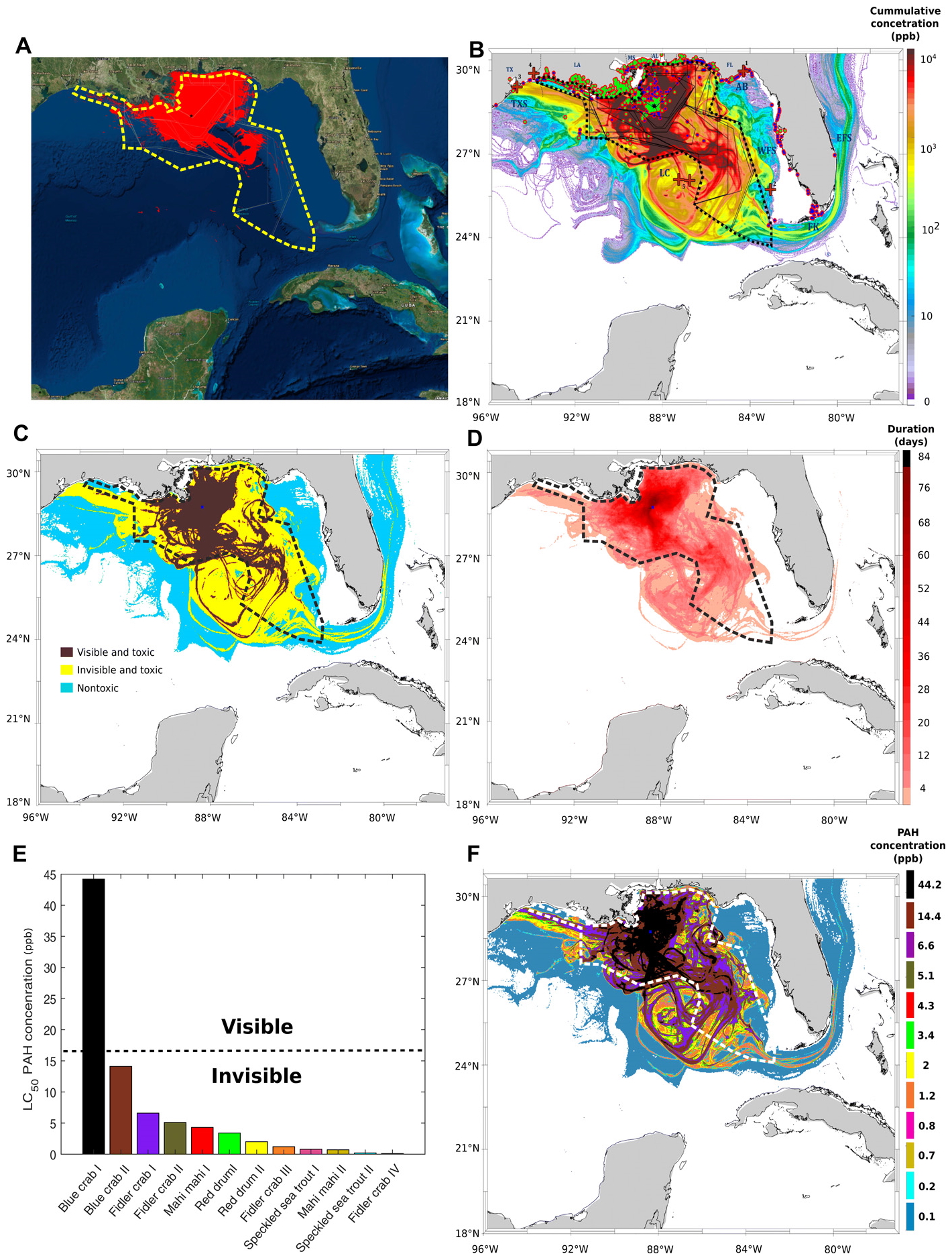
Spatial cumulative extents of the Deepwater Horizon (DWH) oil spill. (A) Cumulative NESDIS anomaly daily composites integrated from 20 April 2010 to 21 July 2010. Daily fishing closures are marked with gray lines; the cumulative fishing closure area is marked with a thick dashed yellow line. The black star represents the location of the DWH blowout. (B) Cumulative value of daily average oil concentrations (ppb), integrated across the same time span as (A) and across water depths. Vertical depth layers are 0 to 1 m, 1 to 20 m, and in 20-m increments down to 2500 m. Sediment and water samples with higher-than-background concentration are marked in bright green and dark blue circles, respectively. Red crosses in (B) represent approximate locations of DWH-related oil detections reported in previous studies. Daily fishery closures are marked with black polygons; the cumulative fishery closure area is marked with a dashed thick polygon. AB, Apalachee Bay; DP, Deep Plume; EFS, East Florida Shelf; FK, Florida Keys; LC, Loop Current System; TXS, Texas Shores; WFS, West Florida Shelf. (C) Categorization of the modeled oil spill are as follows: (i) nontoxic, PAH concentrations above background level and smaller than 0.5 and 1 ppb at the surface (depth, 0 to 1 m) and in the water column (depth, >1 m), respectively; (ii) toxic-to-biota and invisible, PAH concentrations 0.5 to 17 ppb at the surface and above 1 ppb in the water column; and (iii) toxic and visible, PAH concentrations above 17 ppb. In (C), categories were computed according to maximal concentrations across time. (D) Duration of toxic concentrations across the domain. (E) LC50 of 12 experiments examining the photoinduced toxicity to blue crab (31), fiddler crab (33), mahi mahi (29, 30), red drum (32), and speckled sea trout (32) (for more details, see table S2). (F) The spatial extent of the toxic concentrations from (E); color codes in (F) are according to bar colors in (E), representing concentrations exceeding LC50. In (F), toxic PAH of 0.5 ppb was concentrations were considered for surface waters only (depth, 0 to 1 m). Graphic: Berenshtein, et al., 2020 / Science Advances

The toxic reach of the Deepwater Horizon oil spill was much larger and deadlier than previous estimates – “Large areas of the Gulf of Mexico were exposed to invisible and toxic oil that extended beyond the boundaries of the satellite footprint and the fishery closures”

By Darryl Fears 12 February 2020 (The Washington Post) – The spread of oil from the Deepwater Horizon disaster in the Gulf of Mexico was far worse than previously believed, new research has found. As the worst offshore oil spill in U.S. history approaches its 10th anniversary in April, a study by two University of Miami researchers […]

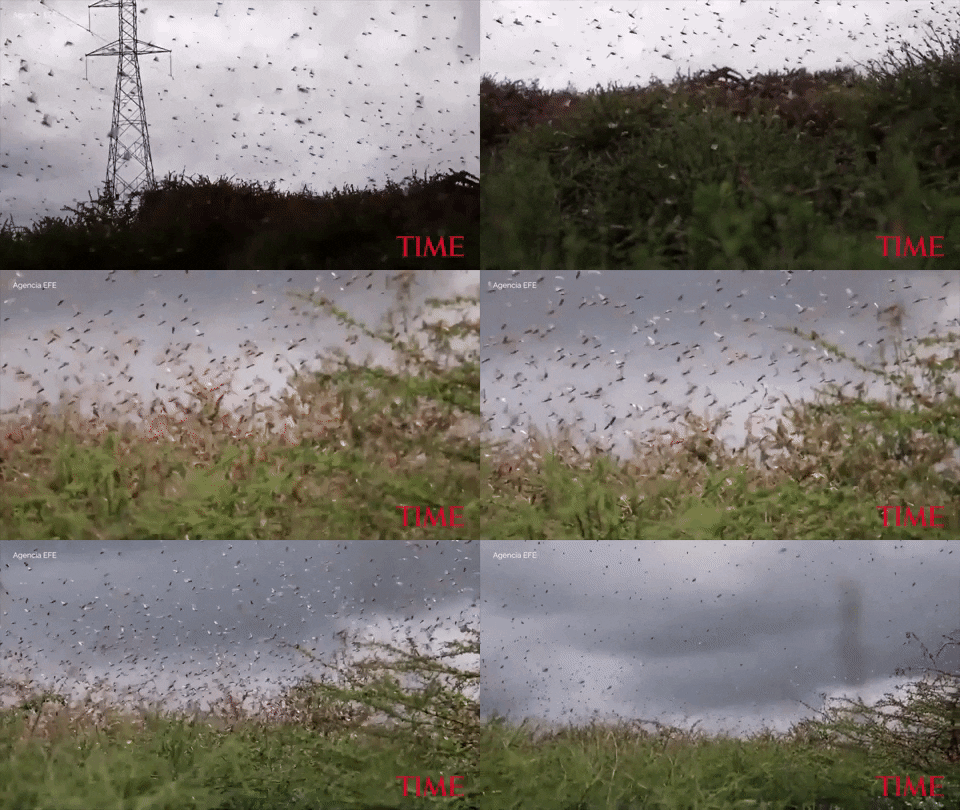
A swarm of locusts descends on Enziu, Kenya, on 24 January 2020. Video: Agencia EFE / TIME

Hundreds of billions of locusts, fueled by conflict and climate change, are swarming East Africa – 400-fold increase in their numbers by June 2020 projected

By Madeleine Stone 14 February 2020 (National Geographic) – East Africa is in the midst of a crisis that sounds like something out of the Book of Exodus: A plague of locusts is spreading across the region, threatening the food supply of tens of millions. City-sized swarms of the dreaded pests are wreaking havoc as […]

Residents look on as flames burn through bush in Lake Tabourie, Australia, on 4 January 2020. Photo: Brett Hemmings / Getty Images

15 years after the Kyoto Protocol went into force, the climate crisis is worse than ever – “If the U.S. had been in from the start, it would have been a different trajectory altogether”

By Rosie McCall 16 February 2020 (Newsweek) – The Kyoto Protocol went to force a full 15 years ago today—and yet, the climate crisis is more urgent than ever. On Sunday, 15 years will have passed since the Kyoto Protocol was ratified on February 16, 2005, which was eight years after it was negotiated back […]

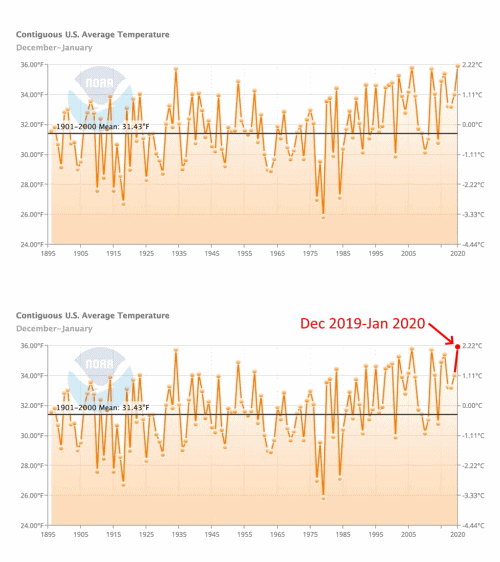
Average U.S. temperature for December and January combined, from December-January 1895-96 to 2019-20. Graphic: NOAA / NCEI

January 2020 sees warmest winter in U.S. history so far

By Bob Henson 6 February 2020 (Weather Underground) – The first two months of meteorological winter (December 2019 – January 2020) were the warmest on record for the contiguous U.S. in data going back to 1895. NOAA provided the January data and images on Thursday ahead of its monthly U.S. climate report. The average national temperature […]

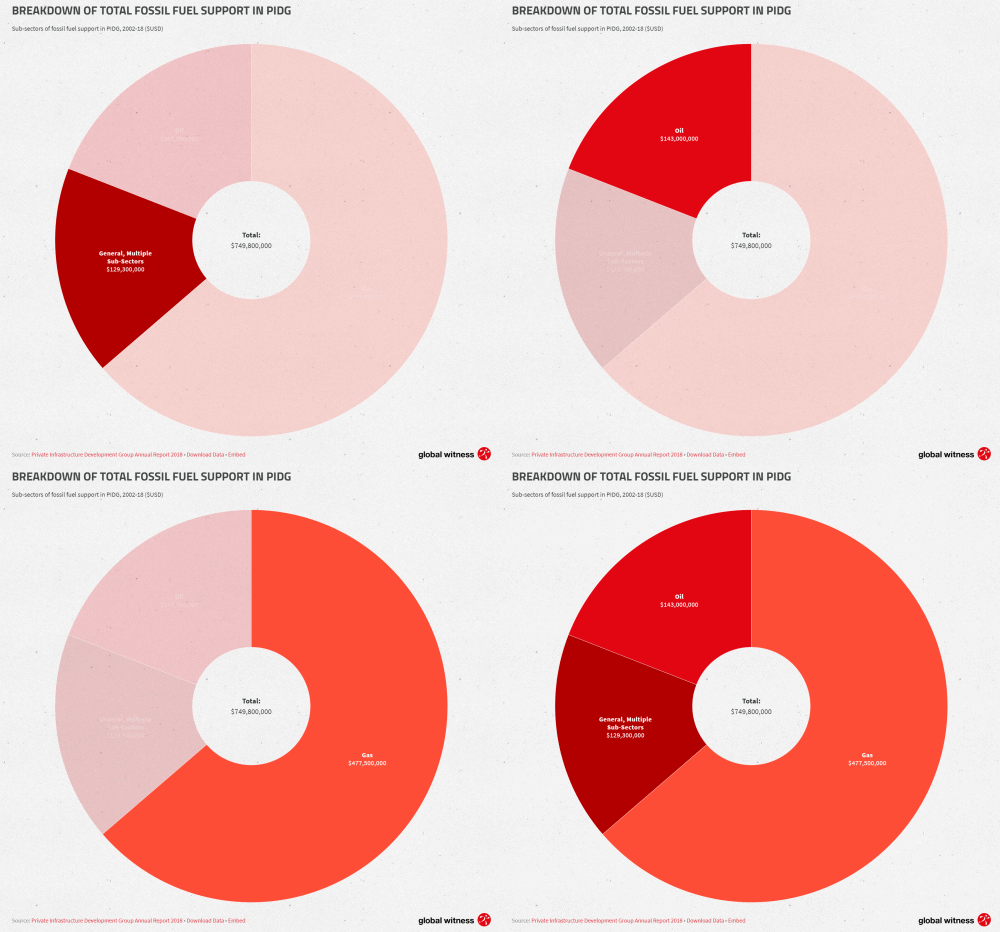
Breakdown of total fossil fuel support in PIDG, 2002-2018, by sub-sector ($USD). Data: Source: Private Infrastructure Development Group Annual Report 2018. Graphic: Global Witness

Obscure investment fund uses UK aid money to finance fossil fuel projects – “A farcical situation where the Government, on one hand, spends aid money to mitigate climate change, and on the other hand finances fossil fuels all over the world”

6 February 2020 (Global Witness) – We are at the beginning of a year of climate spin by the British Government. This year, the UK will host the 26th UN Climate Change Conference (COP26) in Glasgow. While the Government claims to be a ‘climate leader’, we reveal how a little-known investment group funded by the […]

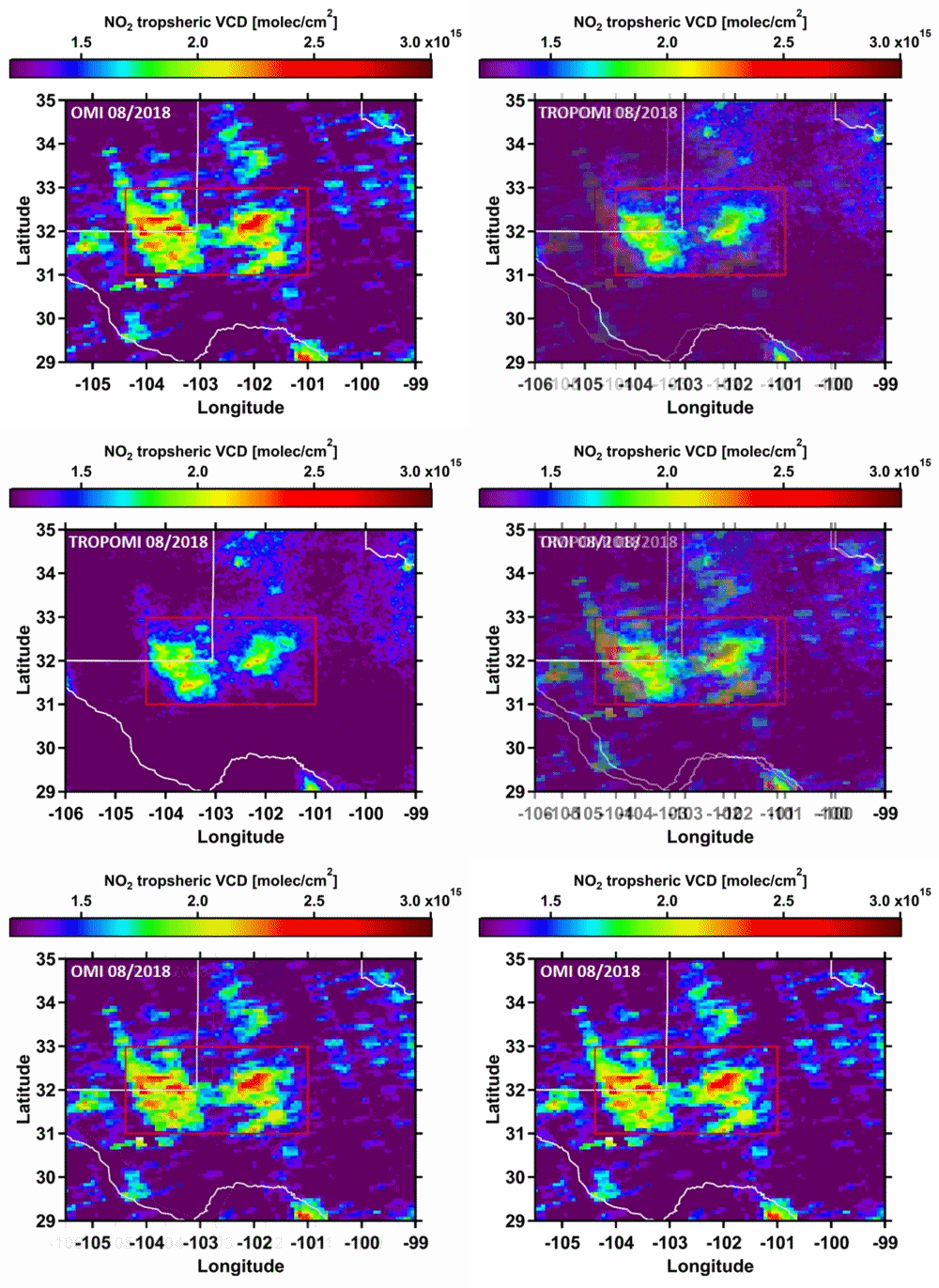
Satellite view of tropospheric NO2 VCDs over the Permian basin for August 2018, seen from the Ozone Monitoring Instrument (OMI) and Tropospheric Monitoring Instrument (TROPOMI) aboard NASA and ESA satellites. OMI has a ground pixel size of 13 x 24 km2 and was gridded onto a 0.07 by 0.07 degrees latitude/longitude grid. TROPOMI has a footprint of 3.5 x 7 km2 and was averaged onto a 0.02 by 0.02 degrees latitude/longitude grid. The increased spatial resolution of the TROPOMI measurements is clearly visible. The red outline denotes the area used for the multivariate regression fits. Graphic: Dix, et al., 2020 / Geophysical Research Letters

Air pollution from oil and gas production sites visible from space – U.S. and European satellites help scientists measure nitrogen dioxide from drilling, production, and flaring

15 January 2020 (CIRES) – Oil and gas production has doubled in some parts of the United States in the last two years, and scientists can use satellites to see impacts of that trend: a significant increase in the release of the lung-irritating air pollutant nitrogen dioxide, for example, and a more-than-doubling of the amount […]

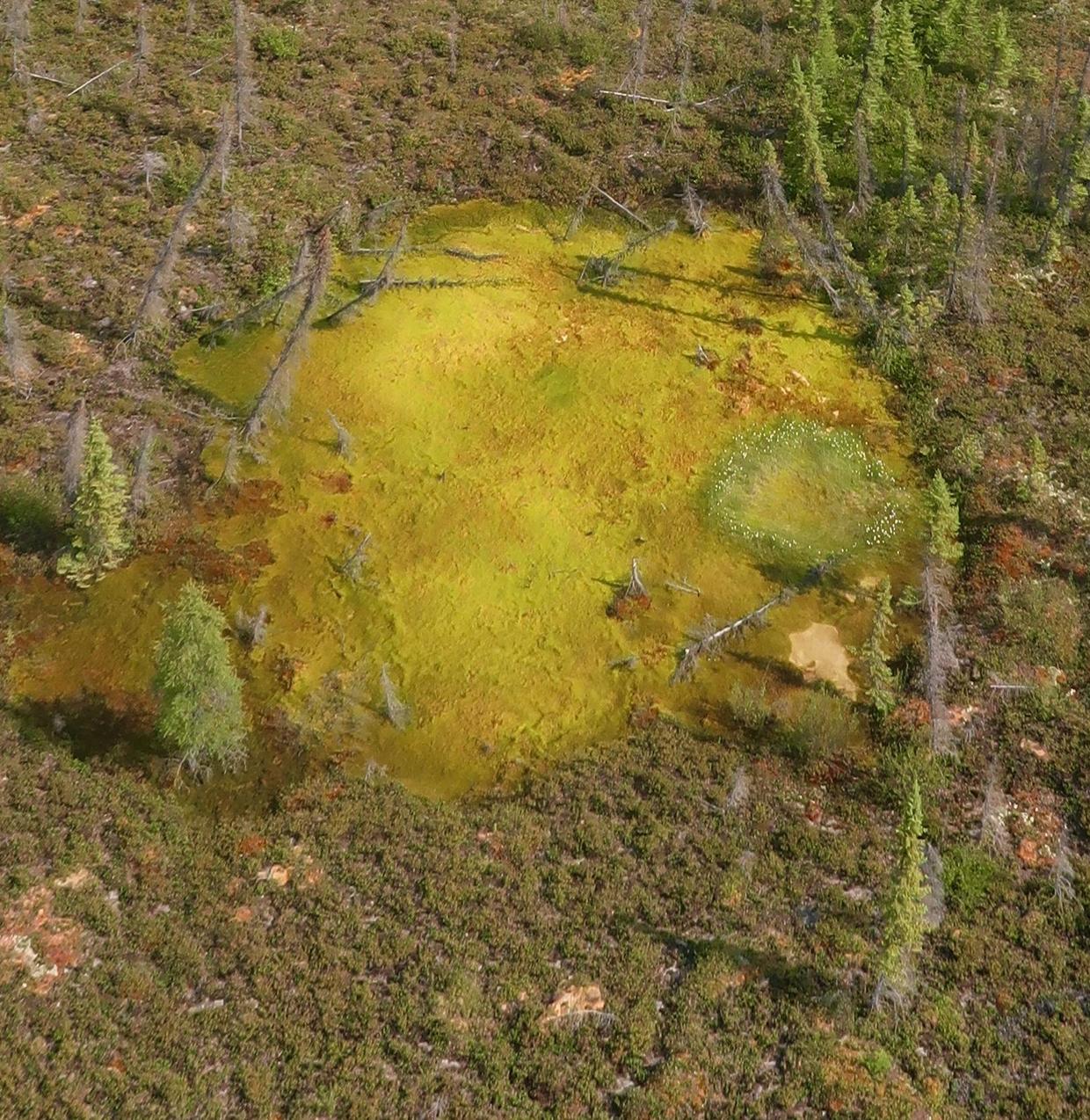
Aerial view of a sinkhole caused by rapid permafrost thawing. Abrupt thawing is “fast and dramatic” and it “affects landscapes in unprecedented ways” says Dr. Merritt Turetsky. Photo: Dr. Merritt Turetsky

“Fast and dramatic” permafrost thaw will double previous estimates of potential carbon emissions – “Forests can become lakes in the course of a month”

By Natacha Larnaud 4 February 2020 (CBS News) – Rapidly thawing permafrost in the Arctic has scientists worried. According to a new study published Monday in the journal Nature Geoscience, the ice that holds the soil together is melting, causing hillsides to collapse and massive sinkholes to open up as a result. And that dramatic disruption to […]

Email on 6 September 2019 from Craig McLean, NOAA’s acting chief scientist, to Weather Service and NOAA leaders, stating: “What’s next? Climate science is a hoax? Flabbergasted to leave our forecasters hanging in the political wind.” Graphic: NOAA / The Washington Post

New emails show how Trump roiled NOAA during Hurricane Dorian – “You have no idea how hard I’m fighting to keep politics out of science”

By Andrew Freedman and Jason Samenow 1 February 2020 (The Washington Post) – A trove of documents released on Friday evening provides the clearest glimpse yet into how President Trump’s inaccurate statements, altered forecast map and tweets regarding Hurricane Dorian’s forecast path rattled top officials along with rank and file scientists at the National Oceanic […]

Environmental activist Homero Gomez Gonzalez stands in front of a monarch butterfly mural, 28 December 2019. He was murdered by an illegal logging criminal syndicate, and his body was found in a well on 29 January 2020. Photo: Homero Gomez Gonzalez / Facebook

Second Mexico monarch butterfly activist murdered

3 February 2020 (BBC News) – A second activist campaigning for the conservation of monarch butterflies and the woods in which they hibernate has been found dead in Mexico. Raúl Hernández worked as a tour guide at a butterfly sanctuary in Michoacán state. His body, which bore signs of beatings and a head injury, was […]

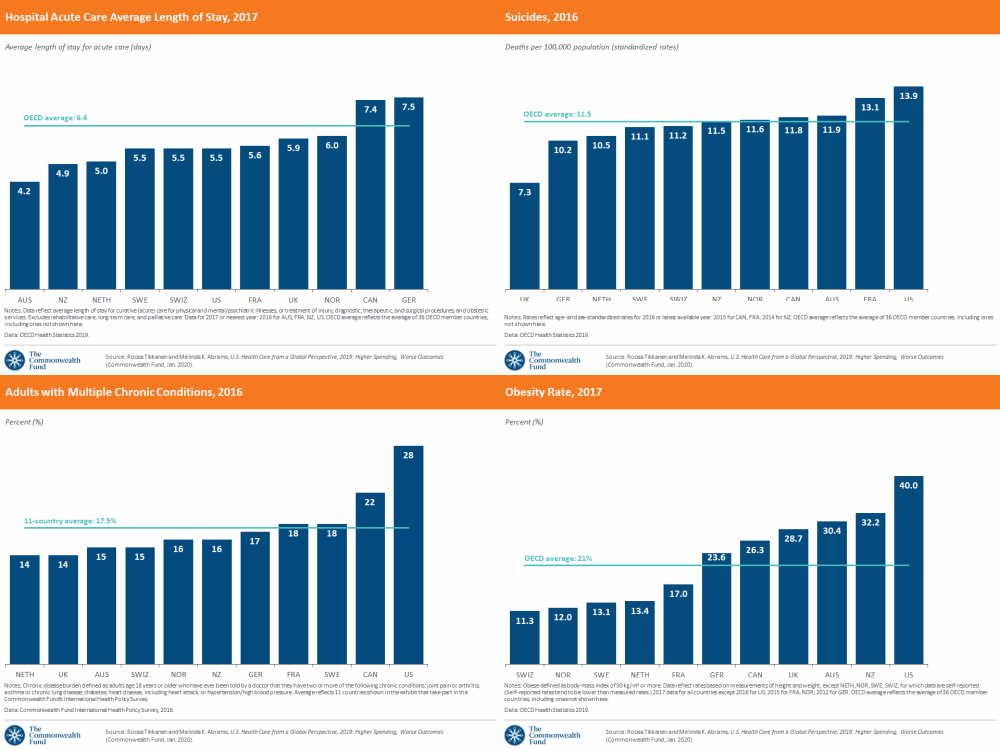
U.S. Health Care from a Global Perspective 2019: Higher Spending, Worse Outcomes. Graphic: Commonwealth Fund

New international report on health care: U.S. suicide rate highest among wealthy nations – U.S. outspends other high-income countries on health care but has lowest life expectancy

30 January 2020 (Commonwealth Fund) – The United States spends substantially more than any other wealthy nation on health care, yet it has a lower life expectancy and a higher suicide rate than its peer nations, according to a new Commonwealth Fund report. The report, U.S. Health Care from a Global Perspective, 2019: Higher Spending, Worse […]
Social media & sharing icons powered by UltimatelySocial